
If you own a koi pond or backyard water garden, late spring and early summer bring one of the most exciting changes of the year, baby koi season. Along with it comes a shift in pond care, fish feeding habits, and seasonal pond maintenance that every pond owner should understand. This guide breaks down what’s happening in your pond right now and how to care for it properly without overcomplicating things.
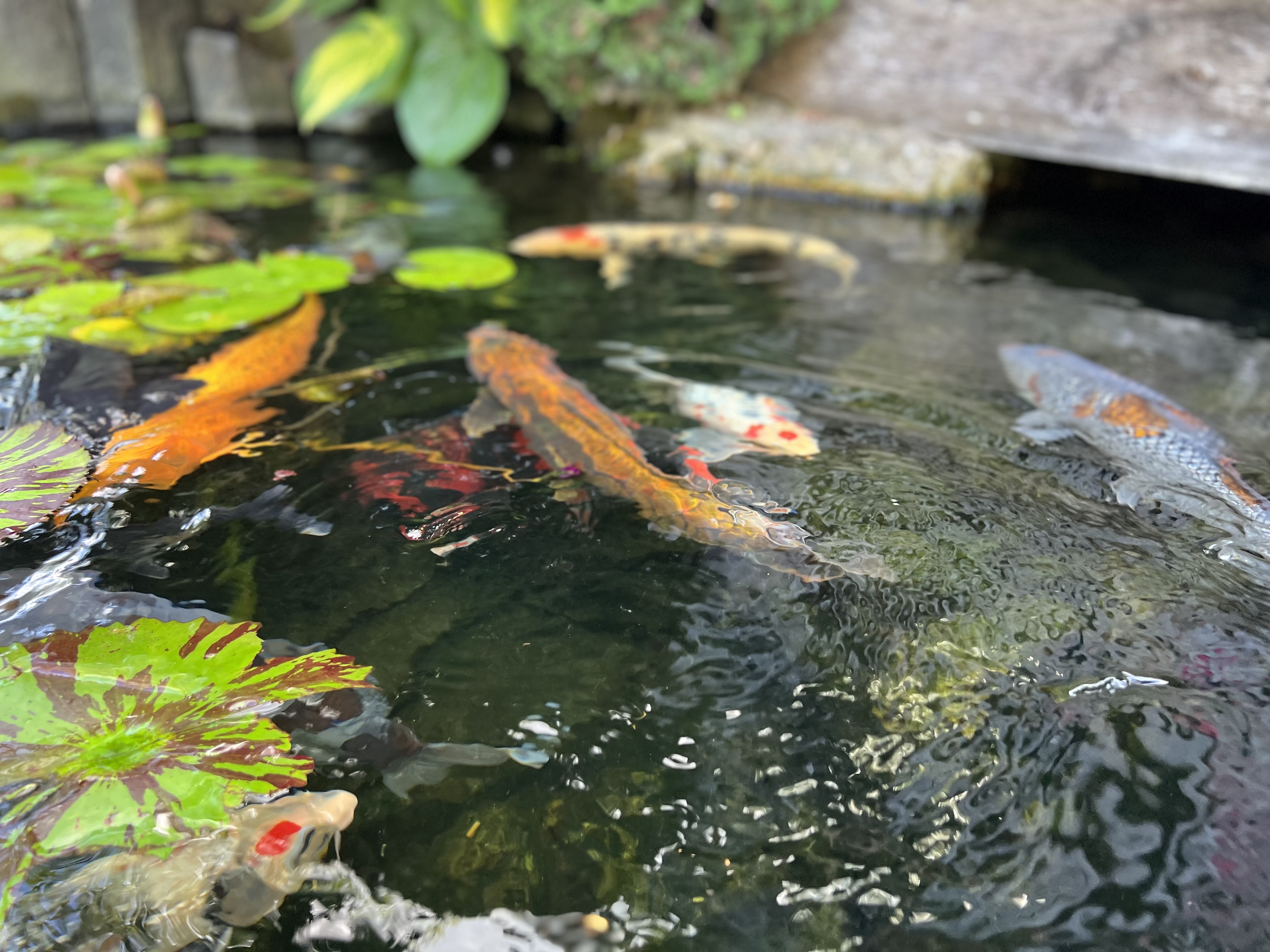
During late spring and early summer, koi and goldfish enter their natural spawning season. Koi are known as “egg scatterers,” meaning they release eggs across surfaces like:
While a single spawn can produce thousands of eggs, only a small percentage will survive and grow into baby koi (fry).
In the early stages, these fry are extremely small and almost invisible. For the first few weeks, they rely on natural food sources in your pond like algae and microorganisms. This is one of the reasons a well balanced ecosystem pond is so important, it naturally supports new life.
After about 6–8 weeks, you may start to notice them swimming near the edges. At this stage, they’re typically around an inch long and ready to begin eating prepared fish food.
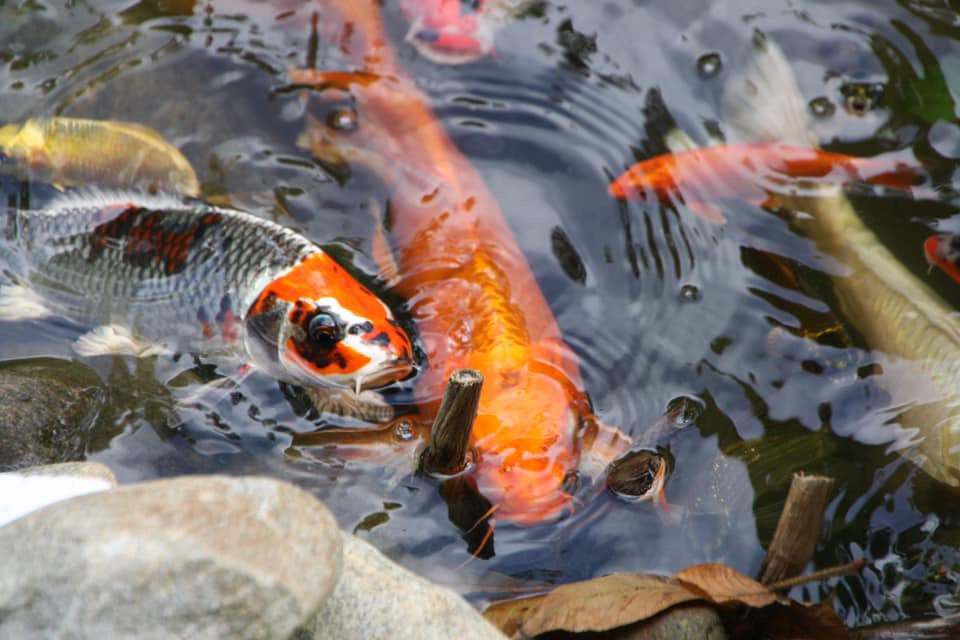
If your goal is to support the growth of your baby koi, a few simple steps can make a big difference while still protecting your pond’s balance:
It’s important to remember that your pond will naturally determine how many fish it can support. Trying to artificially grow every fry often leads to overcrowding, poor water quality, and added maintenance.
A balanced approach will always give you better long term results.
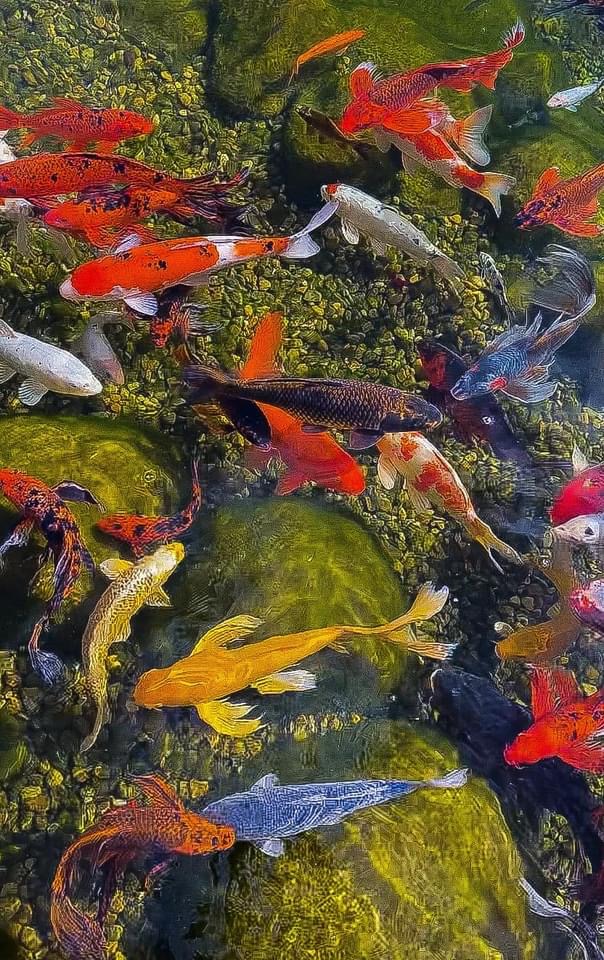
As your baby koi grow, it’s important to start thinking about pond fish population control. A key part of maintaining a healthy, low maintenance pond.
Too many fish in a pond can quickly create problems such as:
These issues don’t just affect your water, they impact the overall health of your entire pond ecosystem.
By late summer, take time to evaluate your pond and plan ahead:
Maintaining the right fish load is one of the most important parts of long-term pond health. A properly balanced pond will be clearer, healthier, and much easier to care for throughout the seasons.

The Finest Pond Contractor In North Augusta, SC. Hundreds of Homeowners have trusted us to bring nature to their doorstep.
Formerly Amen Corner Ponds

