
Oxygenating Your Oasis: Navigating The Cost Of Pond Aeration Systems
Have you ever wondered how to keep your pond vibrant and healthy? Or pondered about the cost-effectiveness of different pond aeration systems?
In this blog post, we’re diving into the world of pond aeration, particularly focusing on the costs and benefits for pond owners in North Augusta, SC.
By the end of this post, you’ll know how much pond aerators can cost and why, as well as the importance a pond aerator has to the overall health of your water feature.
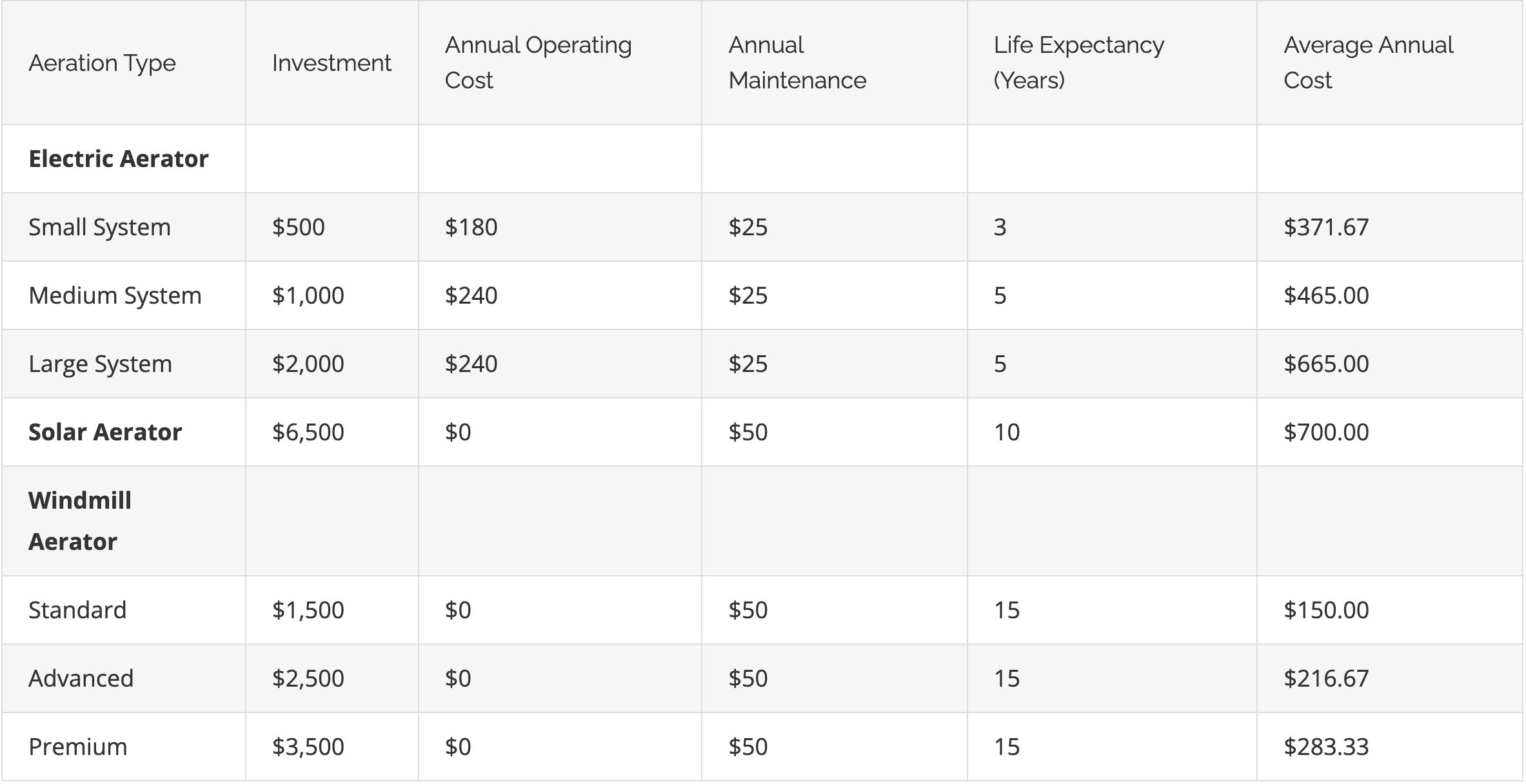
Here are some pond aerator kit costs:
Pond aeration systems vary greatly in cost, depending on the size and type of system you choose.
For pond owners in neighborhoods like Hammond’s Ferry, the initial investment can range from as low as $500 for a small, shallow pond aeration system to over $8,000 for larger or more advanced systems like solar aerators.
This variation is significant as it impacts not only your immediate budget but also the long-term effectiveness of aeration in your pond.
The operating cost is another critical factor.
It primarily depends on the power consumption of the electric motor and the local electricity rates.
For instance, a typical electric aerator may cost around $180 annually to operate.
In contrast, solar aerators, while having a higher upfront cost, eliminate the need for electricity, thereby reducing ongoing operating costs.
Maintenance costs for the pond aeration system are pivotal for pond owners in North Augusta, SC.
Regular maintenance, such as replacing the diaphragm and check valves, which might cost around $39.95 every 4-5 years, is necessary to ensure the system’s longevity.
Some electric aerators might run smoothly for 2-3 years without significant issues, while others could last 5-7 years or more.
The life expectancy of these systems also varies.
For example, a windmill aerator has an impressive lifespan of up to 15 years, making it a cost-effective solution in the long run, especially for larger ponds or lakes.
It’s essential to consider both the annual maintenance costs and the projected life expectancy when choosing a system.
When selecting a pond aeration system, it’s vital to balance the initial investment with operational efficiency.
In areas like North Augusta, where environmental conditions may vary, choosing a system that not only fits your budget but also effectively aerates your pond is key.
Whether it’s a windmill, electric, or solar aerator, each has its own set of benefits and costs. For instance, combining a windmill or solar aerator with an electric aerator using an Aerator Control Box can offer continuous aeration while saving on electricity costs and reducing wear on the electric unit.
For pond owners in North Augusta, SC, selecting the right pond aeration method is key to maintaining a healthy aquatic ecosystem. Different aeration systems cater to various needs based on pond size, depth, and overall objectives. Let’s delve into the most common methods used in neighborhoods like River Club.
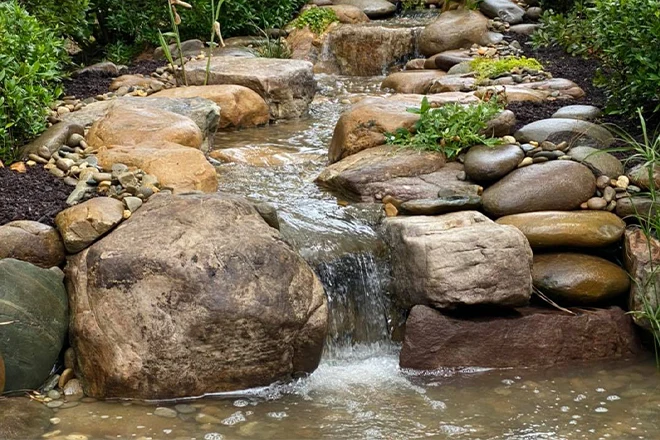
Waterfalls are not just decorative features for a pond but also serve as an excellent aeration method.
The cascading water breaks the surface tension, allowing oxygen to enter the water.
This method is particularly popular in residential ponds in North Augusta, SC, as it adds aesthetic appeal while improving the oxygen levels and overall health of the pond.
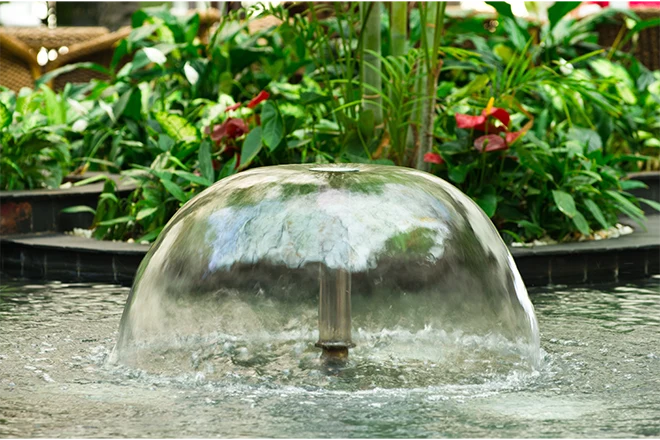
Pond fountains are a visually appealing option for smaller ponds, common in residential areas of North Augusta.
These systems pump water into the air, creating a beautiful display. However, they mainly provide surface aeration and are less effective in circulating water from deeper sections of the pond.
They are best suited for shallow ponds (less than 7 feet deep).
However, not all fountains offer the same level of oxygenation. It’s crucial to select a fountain with robust surface mixing capabilities to maximize its aeration efficiency.
Check out our post on waterfalls vs. fountains for your backyard water feature.
Jet aerators combine aeration and mixing in a unique way.
They use a pump to draw water from the pond and then forcefully eject it back, creating a high-velocity jet that entrains air and mixes it with the water.
This method is particularly effective in medium to large ponds, like those in the Mount Vintage Plantation area of North Augusta, SC, where both aeration and circulation are necessary to maintain water quality.
OST is a cutting-edge aeration system.
It’s particularly beneficial for intricate water gardens or koi ponds, where maintaining optimal water quality is paramount. It is also suitable for ponds over 1 acre in size and with a maximum depth of 10 feet. If you’re cultivating trout, a minimum depth of 15 feet is recommended.
This technology dissolves oxygen directly into the water, maintaining high dissolved oxygen levels up to 20 ppm.
It stands out by preventing bubbles, turbulence, and undesirable mixing, offering exceptional water quality unachievable with other systems.
Venturi aerators are an innovative method where water is passed through a constricted section (Venturi tube), creating a vacuum that sucks in air.
This air is then mixed with the water, providing aeration.
These systems are often used in conjunction with pond pumps and are ideal for small to medium-sized ponds where installing a large aeration system is not feasible.
This system is especially effective for deeper ponds, such as those found in more spacious areas of North Augusta.
It utilizes a compressor on the shore to pump air to diffusers placed at the bottom of the pond. The diffusers create a boiling effect, pushing water to the surface and maximizing oxygen transfer.
This method is ideal for enhancing water quality in ponds over 7 feet deep, making it a popular choice for larger properties.
In North Augusta, SC, pond owners have a variety of pond aeration systems to choose from, each with its unique benefits and limitations. Understanding these differences is crucial for selecting the most suitable aeration method for your pond or lake, whether it’s a small backyard pond in Rivernorth or a larger water body in Mount Vintage.
Each aeration system offers different levels of efficiency depending on pond conditions such as size, depth, and water quality needs.
Small Ponds (<1 acre): Pond fountains, Venturi aerators, and cascading waterfalls are typically more suitable. These methods are effective in shallow water and add visual appeal while providing adequate aeration for smaller volumes.
Medium Ponds (1-3 acres): Jet aeration, Venturi aeration, and OST can be excellent choices. They provide a balance of efficiency and cost-effectiveness, ensuring proper oxygenation and circulation without oversizing the system.
Large Ponds (>3 acres): Bottom-diffused aeration systems are often the most effective. They ensure thorough oxygen distribution throughout the entire pond, which is crucial for maintaining a healthy ecosystem in larger water bodies.
When choosing an aeration system in North Augusta, SC, pond owners should consider not just the size and depth of their pond but also the specific goals they have for their aquatic environment.
Whether it’s improving water quality, enhancing fish habitat, or simply adding beauty to their landscape, the right aeration method can make all the difference.
It’s also important to factor in the long-term operational and maintenance costs associated with each system to ensure a sustainable and cost-effective solution for their pond or lake.
In North Augusta, SC, selecting the appropriate aeration system for your pond involves balancing various factors, including size, cost, and long-term management. Whether your pond graces a backyard in Hammond’s Ferry or sprawls across a larger landscape in Mount Vintage, making an informed choice is crucial.
First, consider the characteristics of your pond.
The size and depth of your pond dictate the type of aeration system needed.
Small ponds often do well with surface aerators or fountains, while larger bodies of water may require more powerful systems like bottom-diffused aeration.
It’s not just about adding oxygen; it’s about ensuring even distribution throughout the pond.
The initial investment in an aeration system can vary greatly.
An electric aerator might seem cost-effective initially, but factor in the long-term operating expenses. Alternatively, solar-powered systems, though higher in upfront cost, can lead to significant savings on energy bills in the sun-rich areas of North Augusta.
Consider the lifespan and maintenance requirements of the system. Windmill aerators, for example, boast longevity and minimal maintenance, making them a practical choice for those who prefer less hands-on involvement.
In North Augusta, where environmental consciousness is growing, selecting an energy-efficient system can contribute to sustainability efforts. Solar and wind-powered systems, for instance, offer eco-friendly solutions, reducing the carbon footprint of maintaining a healthy pond.
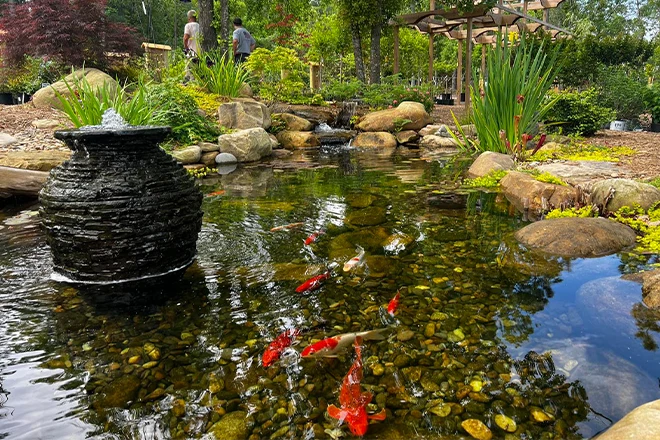
Pond aeration is not just about equipment; it’s a process vital to sustaining a vibrant aquatic ecosystem.
Aeration increases dissolved oxygen levels, which are essential for fish and beneficial bacteria. It also helps break down excess nutrients and reduce pond muck, improving overall water quality.
In North Augusta, where summer heat can stratify water layers, aeration is crucial for preventing oxygen depletion. By circulating water and maintaining consistent oxygen levels, aeration systems keep fish healthy and reduce the likelihood of algae blooms.
Proper aeration also enhances the aesthetic appeal of the pond, making it a focal point of neighborhoods like The Rapids.
Understanding the science behind pond aeration is key to appreciating its importance.
Aeration addresses the issue of stratified layers in water bodies, where warmer, oxygen-rich surface water sits atop cooler, oxygen-poor bottom water. This stratification can lead to conditions detrimental to aquatic life.
By introducing air into the water, aeration systems break down these stratified layers, creating a more uniform water temperature and oxygen level throughout the pond.
This not only supports a healthier aquatic ecosystem but also prevents the buildup of harmful gases like methane and hydrogen sulfide, which can occur in poorly oxygenated ponds.
If you notice signs like sluggish fish behavior, murky water, or foul odors, it’s likely your pond needs additional aeration to maintain a healthy environment.
In sunny North Augusta, solar-powered aerators are an excellent, energy-efficient choice. They provide flexible oxygenation levels but ensure they have a backup power source for consistent performance.
Select an aerator that can oxygenate at least half of your pond’s volume every hour. Opting for a slightly larger aerator is generally safe and can be more beneficial.
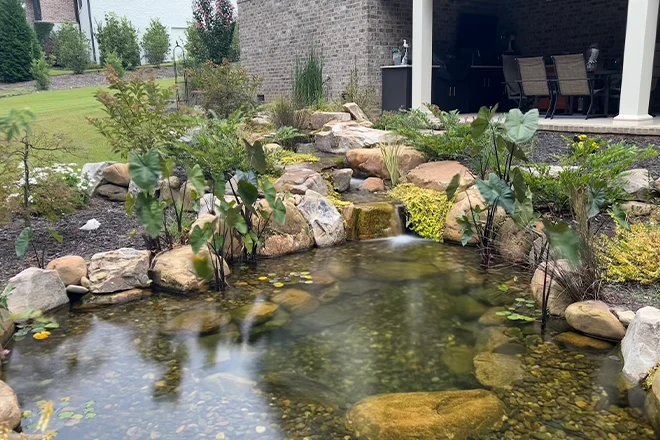
At Amen Corner Ponds, we understand that a healthy pond is the centerpiece of your outdoor space. Our expertise ensures your pond is not just a water feature but a thriving ecosystem.
Ready to transform your pond into a vibrant haven? Fill out our contact form today, or give us a call, and let Amen Corner Ponds be your partner in crafting a beautiful, life-filled pond.

The Finest Pond Contractor In North Augusta, SC. Hundreds of Homeowners have trusted us to bring nature to their doorstep.
Formerly Amen Corner Ponds

